


The entities associated with CECA participate in ARCO to showcase their artistic and cultural heritage
A century of Social Work and institutional collecting: CECA brings together five associated entities (four foundations and one banking entity) at ARCO to highlight their cultural and artistic network, one of the largest in the country
More than thirty foundations in the CECA sector reinforce their sustained commitment to culture: 172 million euros invested in 2024 and over 11 million beneficiaries
CECA emphasizes the essential role that its sector (composed of its financial entities – CaixaBank, Unicaja, Ibercaja, Kutxabank, ABANCA, Caixa Ontinyent, Colonya-Caixa Pollença, and Cecabank – and more than thirty foundations) plays in promoting art, culture, and the conservation of heritage in Spain. This work will have a space for reflection and visibility at ARCOmadrid.
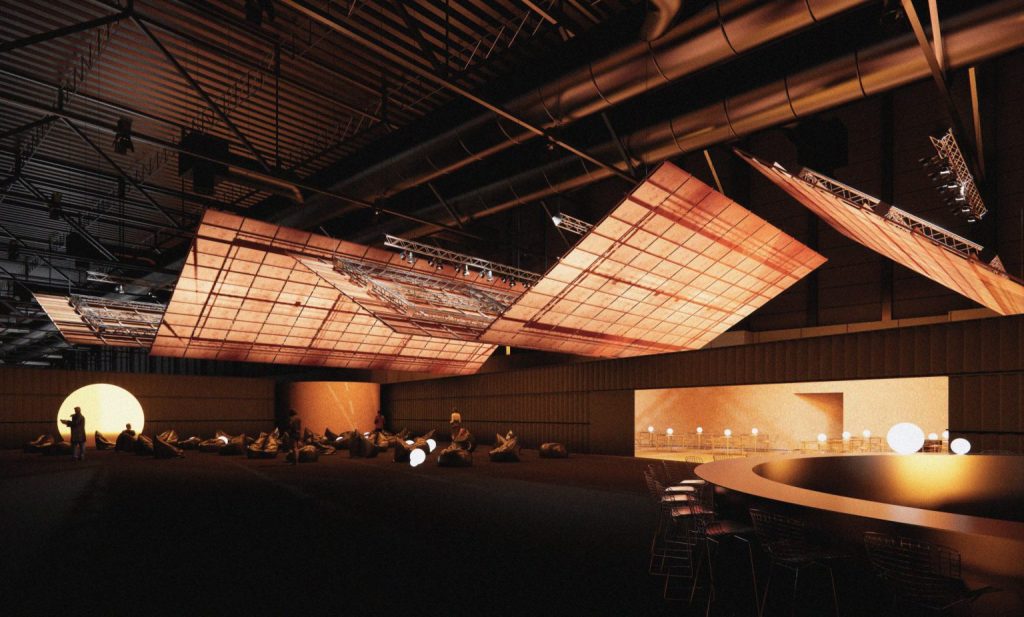
Under the title Collections that transcend. A century of culture and commitment from CECA entities and foundations, the meeting will gather representatives from different foundations, associations, experts, and social agents from the country to reflect on the transformative role of culture and the social value of institutional collecting.
CECA: a unique cultural network in Spain
CECA groups an ecosystem that today constitutes one of the most relevant private networks for social and cultural action in the country.
One of the distinctive characteristics of the cultural activity in the CECA sector is its extensive reach, which allows for a broad deployment across the 17 autonomous communities. The dense territorial implantation favors culture as a tool for social cohesion that promotes collective identity and universal access to knowledge. Additionally, its Social Work fosters the protection of historical-artistic heritage.
In total, the CECA sector manages more than 700 centers, facilities, and establishments that form a wide real estate heritage distributed throughout the territory, including exhibition halls, auditoriums, senior centers, conference rooms, sports facilities, and spaces located in natural environments, such as parks or forests.
A significant part of this heritage corresponds to historic buildings and spaces cataloged as Cultural Goods of Interest (BIC), making up the predominant typology within the sector’s foundations, with a total of 128 declared properties, whose conservation and maintenance they assume as an essential part of their social and cultural responsibility. In this context, exhibition halls and auditoriums are configured as key infrastructures for the autonomous development of cultural activities and the dissemination of art driven by the entities associated with CECA.
Culture, heritage, and continuity: a sustained investment over time
The CECA foundations, through their Social Work, constitute the primary private social investor in Spain, with an accumulated investment exceeding 906 million euros.
In 2024 alone, the culture and heritage area concentrated an investment of more than 172 million euros, materialized in 25,987 cultural activities, reaching over 11 million beneficiaries. These figures reflect a clear and ongoing commitment to culture as a structural part of the historical commitment of CECA entities and foundations.
This endeavor highlights the social dimension of the CECA sector: a banking system and foundations that invest in culture, protect heritage, support creators, and strengthen the country’s artistic network with a long-term vision.
Five entities, five perspectives at ARCOmadrid
Representatives from four of the CECA foundations and one of its financial entities will hold a meeting at the country’s most important contemporary art space: ABANCA, a benchmark in managing one of the most significant artistic collections in the northwestern peninsula, integrating culture, territory, and sustainability; Fundación Ibercaja, with a 150-year track record in cultural promotion, artistic education, and heritage dissemination in various territories; Fundación “la Caixa,” a driving force behind one of the most influential contemporary art collections in Europe and an internationally relevant cultural program; Fundación Mediterráneo, an entity firmly committed to heritage preservation and cultural promotion in the Mediterranean region; and FUNDOS (Foundation Social Work of Castilla y León), manager of a significant artistic and documentary heritage, including the administration of the Casa Botines Museum by Gaudí.