


Antonio Romero, new General Director of CECA
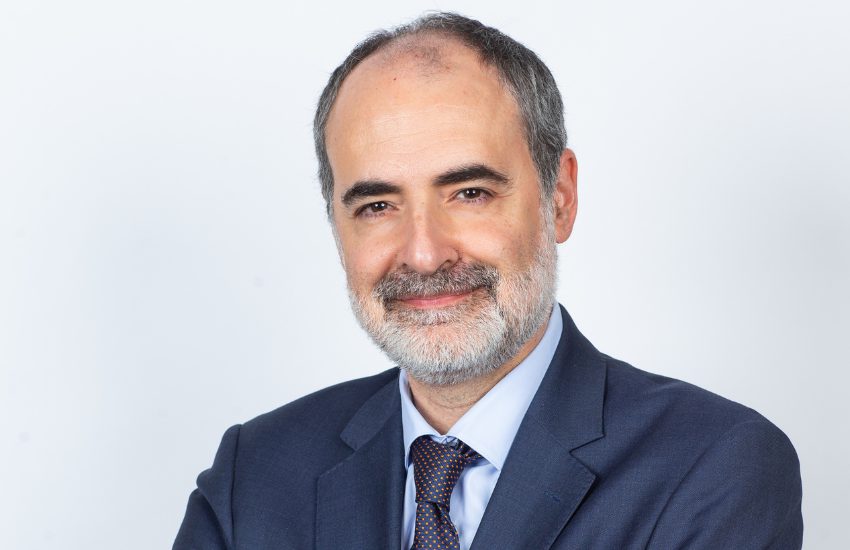
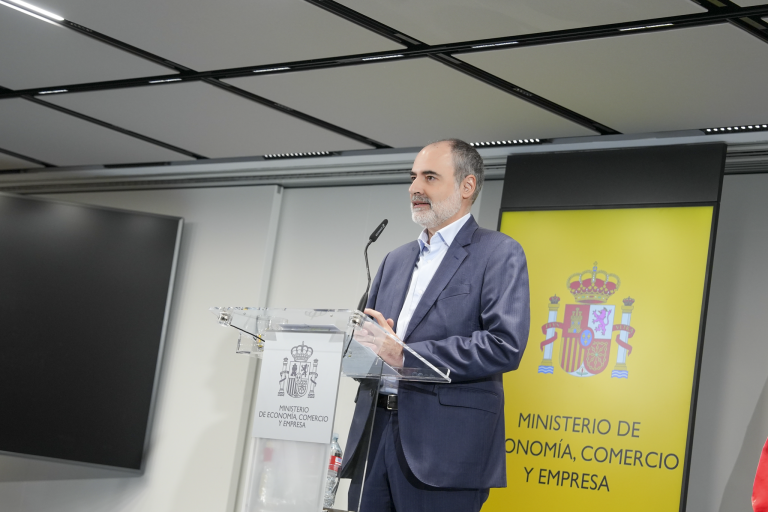
The Board of Directors of CECA, meeting today, has appointed Antonio Romero as the new General Director of CECA. The decision, adopted unanimously, will need to be ratified at the General Assembly, which will take place on April 24th.
Romero, who will take office on April 30th, will replace José María Méndez Álvarez-Cedrón, who has held the position since January 2011.
The Board of Directors has valued Antonio Romero’s extensive knowledge of financial regulation, his capacity for national and international dialogue with various public administrations, as well as his more than 25 years of experience in the financial sector, the last two decades being at CECA and Cecabank.
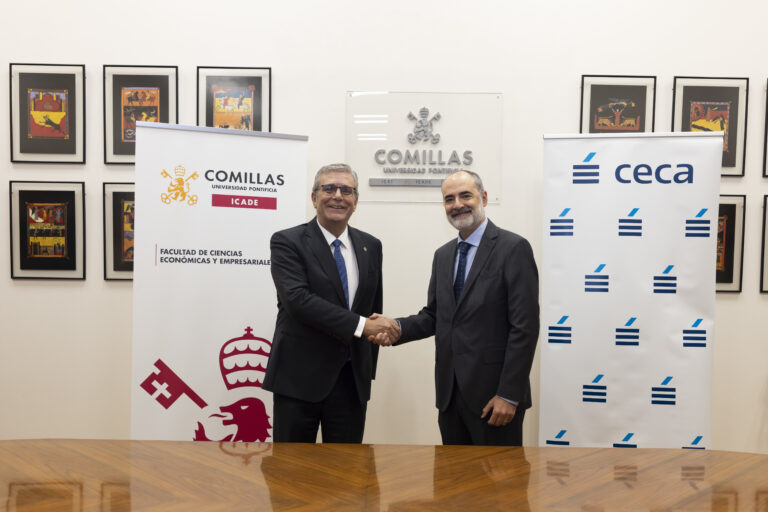
Antonio Romero holds degrees in Law and Economic and Business Sciences from the Universidad Pontificia Comillas (ICADE E-3) and in Political Science and Sociology from UNED. He is a member of the Senior Corps of Civil Administrators of the State. In 2000, he joined the Legislation team at the General Directorate of the Treasury and Financial Policy, specializing in international banking regulations thanks to his participation in numerous forums of the Council, the European Commission, and the OECD.
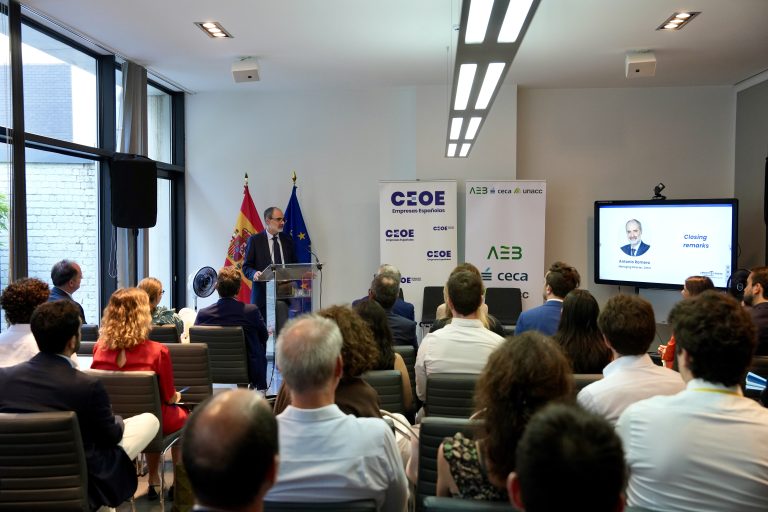
In 2004, he began his career at CECA, where he has held the position of Corporate Director of Associative Services and Resources until today. Romero is the President of the Coordination Committee of the World Institute and the European Association of Savings Banks and Retail Banks (WSBI-ESBG) and a member of its Presidents’ Committee and Board of Directors. Nationally, he is a councilor of the Economic and Social Council of Spain, serving as President of its European Single Market, Regional Development, and Development Cooperation Committee. He is also a member of the Advisory Committee of the National Securities Market Commission and a founding member of the Executive Committee of the Center for Responsible and Sustainable Finance in Spain (FINRESP). Since 2012, he has been a member of the Management Committee of Cecabank, where he has led areas such as regulation and studies; communication, external relations and sustainability; talent, culture and general services; technological media; strategic planning; and regulatory compliance.
Among the main challenges to be addressed under his mandate are adapting to a complex and volatile geopolitical environment, managing a new regulatory context that favors simplification, the competitiveness of the European economy, and reinforcing the strategic autonomy of the EU, as well as completing the Banking Union. Additionally, one of his priorities is to advocate for the role of the CECA sector through its foundations as the leading private social investor in Spain.