

READING MATERIALS OF INTEREST
Almost every day of the year commemorates various events or concepts, ranging from the well-known to the most improbable. The agenda closes this month by focusing on a basic economic concept: savings, which celebrates its main day today, since on October 31, 1924, an international conference on the subject was held in Milan. This event was organized by what would become the seed of the International Savings Bank Institute (ISBI), currently known in English as the World Savings and Retail Banking Institute (WSBI). This institution, based in Brussels since 1994, includes a hundred representatives from over 6,000 entities spread across 90 countries. “Grab your financial future” is this year’s motto chosen by WSBI to develop a program that encourages people to take control of their lives through economic planning. This institution reminds us that historically, banking has been a growth engine for local markets and a pillar of the real economy, committed to the communities in which it operates.
In our country, the Spanish Confederation of Savings Banks (CECA), which represents 38% of the Spanish financial system, has been in close contact with ISBI since its creation in 1928 and is currently a member of WSBI. “Raising public awareness of the importance of savings both for economic growth and personal well-being is the objective of the day,” point out officials from the national organization. Over time, World Savings Day has focused on groups such as children, women, and professionals from various sectors. “Piggy banks, posters, anthems, raffles, contests, conferences, films, songs, children’s savings books, and work in schools have been tools we have used to spread these ideas,” recall those at CECA. The organization launched the Spanish Network for Financial Education in 2008, which is a significant piece in the ongoing dissemination of these concepts.
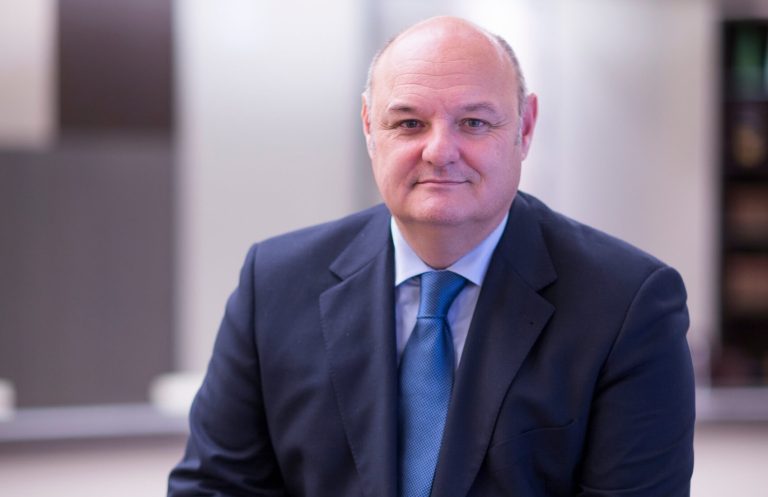
Throughout the pages of this special, various perspectives on planning and economic efficiency are discussed. When asked what to do with savings, José Luis Martínez, head of the Spanish Banking Association (AEB), explains that a plan should be designed, consisting of investing, diversifying, and monitoring. The savings rate of Spanish households was 8.5% of disposable income in the first half of the year, “a figure below the European average and pre-crisis levels,” contextualizes Martínez.
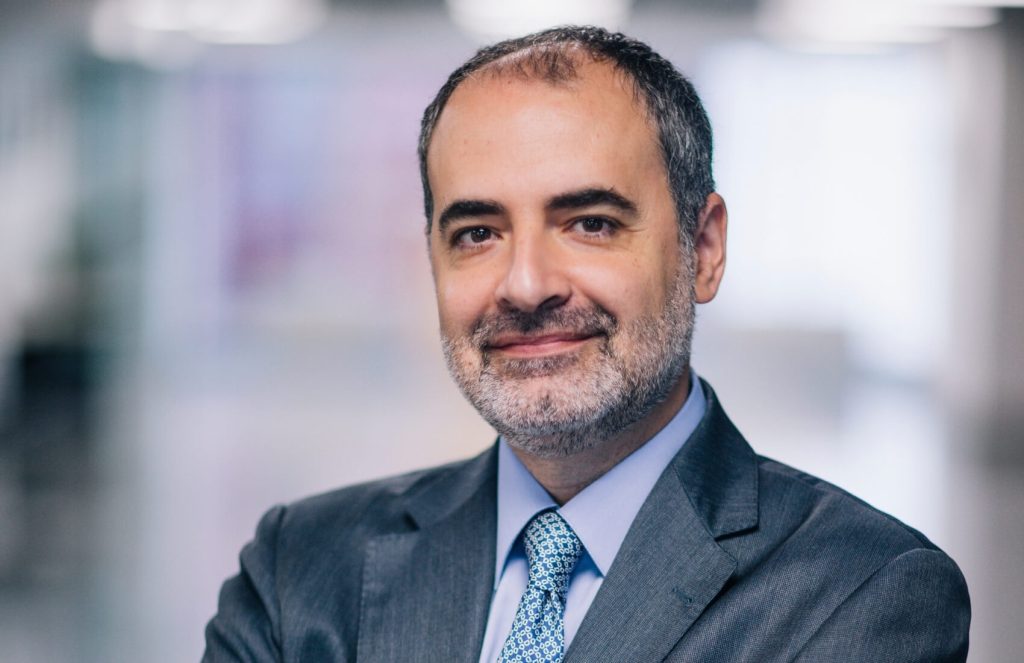
Santiago Carbó, professor at the University College of Financial Studies (Cunef), believes that the Spanish economy is recovering, although household and business indebtedness remains high. “The better news is that as resources grow and bills are paid, delinquency decreases,” he points out.
According to a recent study by insurance comparator rastreator.com, 44.7% of Spaniards are unable to save more than 200 euros per month, with men between 25 and 34 years old being the most capable of doing so. The lack of sufficient income, the emergence of unforeseen expenses, and the obligation to financially support family and friends are the main factors that hinder achieving savings goals.
Tu navegador envía la señal Global Privacy Control: «Aceptar todo» no activa Marketing cookies. Puedes activarlas aquí si lo deseas.
These cookies are essential for the website to function and cannot be disabled. They are generally set in response to actions you take, such as setting privacy preferences, logging in, or filling out forms.
They enable enhanced functionality and personalisation, such as videos, live chat, preferred language and region.
They allow us to count visits and traffic sources in order to measure and improve the performance of our site. They help us to know which pages are the most and least popular.
These cookies are used to show ads relevant to you and your interests. They are also used to limit the number of times an ad appears and to measure the effectiveness of advertising campaigns.