


READING MATERIALS OF INTEREST
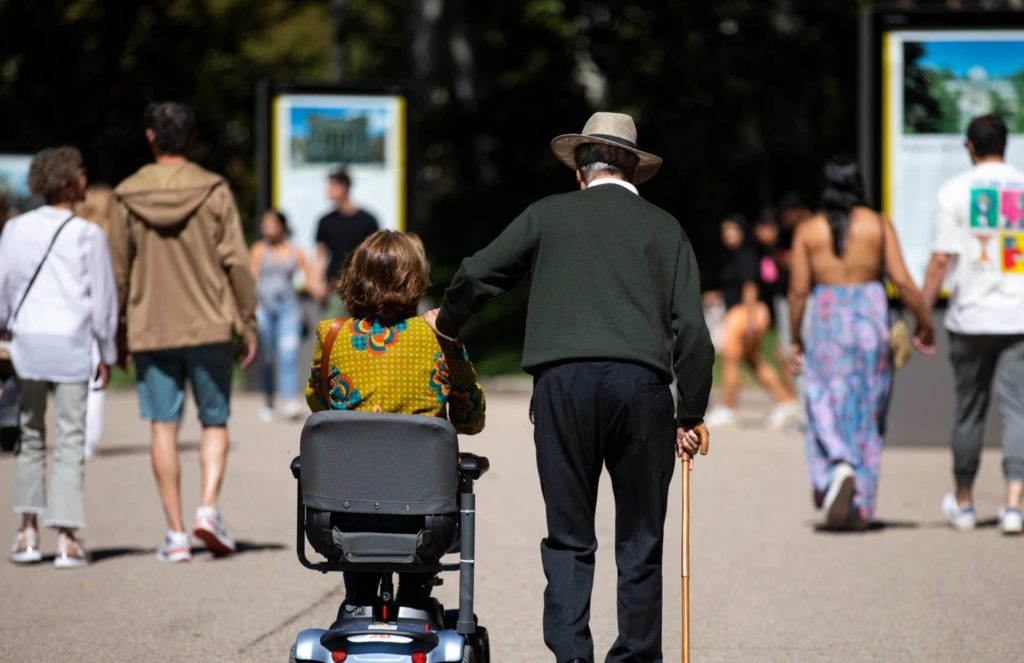
26% of the Spanish population is at risk of poverty. The Obra Social is the largest private social investor in Spain.
Quietly, supportively, and tirelessly. This is how more than 28,000 Third Sector entities operate in our country to promote the exercise of social rights, foster inclusion, and prevent the most vulnerable groups from being excluded from decent levels of well-being. A necessary mission in a world as commercialized as the current one, where values such as solidarity, altruism, and empathy do not hold market value.
In our country, high inequality is one of the most pressing social issues, which consistently surpasses the levels of most European countries. A focal point of social instability because it excludes the most disadvantaged communities from the prosperity generated by economic growth. Furthermore, its long-term persistence, especially when affecting minors, leads to greater intergenerational transmission of poverty. The reality is that, in our country, the risk of poverty or social exclusion rate (AROPE), although it decreased last year, affects 26% of the population, placing Spain as the fourth country in the EU with the highest rate.
These cookies are essential for the website to function and cannot be disabled. They are generally set in response to actions made by you, such as setting your privacy preferences, logging in or filling in forms.
They enable enhanced functionality and personalisation, such as videos, live chat, preferred language and region.
They allow us to count visits and traffic sources in order to measure and improve the performance of our site. They help us to know which pages are the most and least popular.